How Can Homeowners Detect and Prevent Hidden Leaks That Affect HVAC Performance?
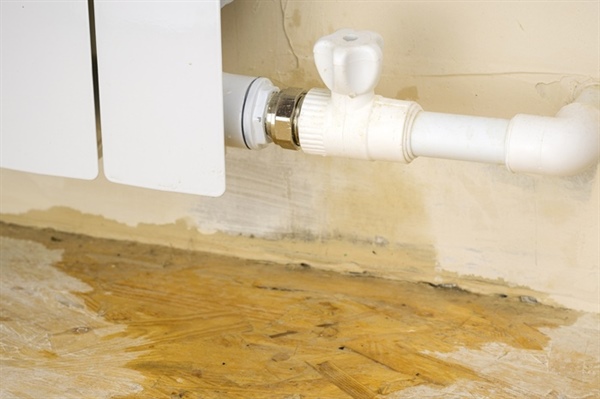
Hidden leaks can develop in areas where plumbing lines and HVAC components intersect, creating moisture problems that reduce system performance and threaten structural materials. These leaks often go unnoticed because they form behind walls, beneath equipment platforms, or inside mechanical rooms where airflow, temperature, and condensation naturally fluctuate. When water remains concealed, it can damage insulation, weaken flooring, and alter the humidity conditions surrounding HVAC equipment, leading to longer run times and reduced operational efficiency.
Moisture from plumbing or condensate lines also interacts with dust and airborne particles inside the system, creating residue that collects on coils, blower components, and ductwork. This combination frequently leads to air quality concerns and temperature inconsistencies. Understanding how to detect these leaks early—and what strategies prevent them—helps homeowners protect both their HVAC equipment and their plumbing system. The following sections outline signs to watch for, technologies that identify water-related problems, and the financial impact of unresolved combined-system damage.
What are the signs of hidden plumbing leaks behind HVAC units?
One of the most common indicators of a hidden leak is unexplained humidity near the air handler or furnace. When plumbing lines run behind HVAC equipment, small leaks introduce moisture into the surrounding space. This often raises room humidity before visible signs appear. Homeowners may notice damp odors, persistent condensation on nearby surfaces, or a cooling system that runs longer than expected because the equipment is working harder to remove excess moisture.
Discoloration on drywall, soft flooring near the equipment pad, or rust forming on the bottom of the furnace cabinet can also signal concealed water. When water contacts metal components over time, corrosion accelerates, resulting in flaking, stains, or structural weakening. Another subtle clue is inconsistent airflow: moisture inside return cavities or wall chases can affect air movement, causing temperature variations throughout the home. In systems with flexible ducting, small leaks sometimes lead to sagging or damp duct insulation.
Some leaks occur in condensate lines rather than plumbing lines. A failed trap, cracked PVC fitting, or partially blocked line can allow water to pool behind the unit. Homeowners may hear unusual dripping noises inside walls or beneath the air handler. Early detection relies on recognizing these subtle changes before water spreads beyond the mechanical area.
How do moisture leaks contribute to air quality and mold problems?
Hidden moisture creates ideal conditions for mold growth, especially in enclosed mechanical spaces where airflow is limited. When a plumbing leak interacts with warm HVAC components, condensation increases, raising humidity levels in the immediate area. Mold growth begins on insulation, framing, and even on the exterior of the air handler, and spores can enter the duct system, spreading throughout the home.
Mold-contaminated air often triggers respiratory irritation, particularly for individuals sensitive to airborne pollutants. Because HVAC systems continuously circulate air, microbial particles from a damp area can travel rapidly through supply ducts. These contaminants may accumulate on evaporator coils, forming organic films that reduce heat transfer and restrict airflow. Over time, this lowers system efficiency and makes the cooling cycle less consistent.
Moisture also increases dust adhesion on coil surfaces. When dust and humidity mix, they create dense buildup that is harder to remove during maintenance. This buildup forces the compressor and blower motor to operate under heavier loads. By preventing leaks and controlling humidity, homeowners protect both indoor air quality and mechanical components from progressive decline.
Which smart home devices detect both water and air system leaks?
Several modern devices help identify leaks early by monitoring moisture levels, temperature shifts, and system behavior. Smart water sensors placed near HVAC equipment detect pooling water from plumbing lines, condensate overflows, or failed pumps. These sensors send alerts to a homeowner’s phone and can be installed along the condensate drain path, beneath valves, or near wall cavities that contain plumbing.
Smart thermostats equipped with humidity monitoring provide additional insight. When interior humidity rises unexpectedly, it often indicates water intrusion near the air handler or evaporator coil. Some thermostats track operational patterns and notify homeowners when the system runs longer than normal, suggesting a leak is interfering with coil performance or introducing extra moisture into the air.
More advanced systems include whole-home monitoring devices that track water usage for irregular flow. These systems identify leaks as small as a fraction of a gallon per hour and automatically shut off the water supply if abnormal patterns persist. When paired with HVAC performance monitoring, they create a combined early-warning system for water and air-related problems in mechanical spaces.
How can regular maintenance prevent hidden damage?
Routine inspections help identify small leaks before they affect structural materials or HVAC components. During a maintenance visit, technicians examine plumbing connections near mechanical equipment, evaluate condensate drain performance, and check for early signs of corrosion. Clearing the condensate line at regular intervals prevents blockages that often cause water to back up into hidden areas.
Technicians also assess insulation condition, airflow patterns, and the cleanliness of coils and blower assemblies. If coil surfaces show signs of moisture-related residue, it often indicates a slow leak nearby. Identifying these patterns early allows for targeted repair work that prevents long-term system decline. In homes with older plumbing, periodic evaluation of pipe joints and valve assemblies near the mechanical room is essential.
Maintenance reduces overall operating costs by minimizing the HVAC system’s exposure to moisture. When equipment remains dry and free from corrosion, efficiency stays high, cycle times remain predictable, and components last longer. A proactive approach protects the home’s mechanical systems and reduces the likelihood of costly combined-system failures.
What is the cost of repairing combined plumbing and HVAC water damage?
Repair costs vary significantly depending on the extent of the damage and how long the leak went unnoticed. Minor leaks that affect only the condensate line or a small plumbing joint typically involve limited repair work and minimal material replacement. However, once moisture reaches flooring, wall cavities, or HVAC components, expenses rise quickly.
Water-damaged duct insulation, rusted furnace cabinets, and contaminated evaporator coils require replacement or deep cleaning to restore safe operation. If mold develops inside the mechanical space, remediation efforts may be necessary before HVAC service work can proceed. Plumbing repairs, HVAC replacement parts, and moisture remediation often combine into a single project, increasing total cost.
The most expensive cases involve structural repairs, including subfloor replacement or wall reconstruction around the mechanical area. When leaks affect both plumbing and HVAC equipment simultaneously, homeowners may also face elevated utility bills due to prolonged inefficiency. Early detection remains the most effective way to avoid these combined expenses.
How Duell Plumbing & Heating helps protect homes from hidden leaks
Hidden leaks create conditions that damage plumbing, weaken HVAC performance, and reduce indoor comfort. Duell Plumbing & Heating evaluates moisture patterns, plumbing connections, condensate systems, and equipment condition to identify where leaks originate and how they affect mechanical performance. Their team inspects drain lines, coil assemblies, wall penetrations, and surrounding plumbing to detect issues that may remain unseen by homeowners.
With the ability to assess both plumbing and HVAC systems, their technicians offer a complete approach to preventing moisture-related problems. Regular inspections, targeted repairs, and system cleaning help stop small issues before they turn into widespread damage. This protection keeps equipment operating efficiently and maintains a healthy indoor environment.
Duell Plumbing & Heating is located at 46 Maple Ave Unit 1, Schenectady, NY 12302, and can be reached at 518-384-1567. Homeowners can request inspections or leak evaluation services through the contact us page to prevent hidden leaks from affecting plumbing, HVAC performance, and home safety.