How Can Seasonal Maintenance Help Prevent Both Plumbing and HVAC Failures?
Seasonal maintenance plays a direct role in preventing plumbing and HVAC failures, especially in regions with significant temperature swings such as upstate New York. Cold weather places strain on plumbing lines, heating equipment, and components exposed to freezing temperatures. Warm weather shifts the burden to cooling equipment, moisture management, and drainage systems. When these systems move from one seasonal demand to another without preparation, hidden weaknesses can appear, leading to leaks, airflow restrictions, or mechanical wear.
By preparing systems before each major seasonal change, homeowners can avoid preventable failures and extend the life of their plumbing and HVAC equipment. The following sections outline the specific tasks needed for each season, why these tasks are important, and how a consistent maintenance routine protects the home’s mechanical systems year-round.
What steps should homeowners take before winter in upstate NY?
Preparing for winter requires a focus on protecting pipes, ensuring heating reliability, and maintaining stable indoor humidity. Homeowners should begin by insulating exposed plumbing, especially lines near exterior walls, unheated crawl spaces, and garages. Any gaps or drafts that allow cold air to reach plumbing should be sealed to prevent freezing. Draining and shutting off outdoor hose bibs also reduces the risk of burst pipes during sudden temperature drops.
Heating equipment requires equal attention. Before winter, the furnace or boiler should be tested for proper ignition, stable flame characteristics, and consistent airflow. Thermostat calibration is valuable to ensure accurate temperature control, especially during extended cold periods. Heating vents and returns should be cleared of dust and debris to maintain steady airflow throughout the home. Checking CO detectors ensures proper monitoring during peak heating use.
Moisture control becomes important as homes remain closed for the season. Humidifier components, if attached to the furnace, should be cleaned and inspected so mineral buildup does not restrict output. These steps help the system maintain even humidity without overworking the furnace or causing condensation-related issues.
How does spring maintenance prevent humidity and mold problems?
Spring brings increased humidity, melting snow, and a shift from heating to cooling operation. As temperatures rise, moisture accumulates more readily inside basements, mechanical rooms, and ductwork. Inspecting and clearing condensate drains is essential at this stage. Any residue left from winter operation can block the drain line, leading to overflow when cooling begins.
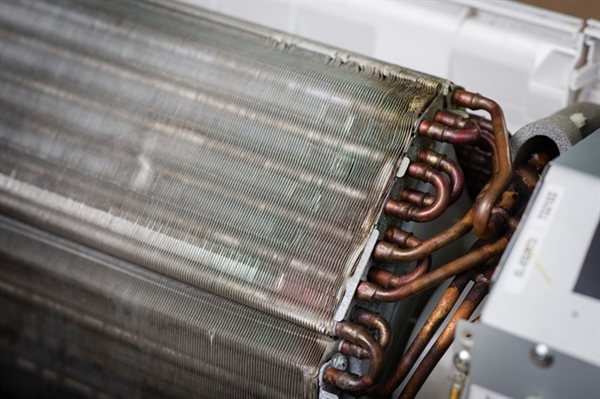
Coils should be inspected and cleaned to remove dust collected during the heating season. Dust and humidity form a sticky layer that restricts airflow and leads to mold growth if left untreated. Spring is the ideal time to examine ductwork for damp insulation, early mold activity, or condensation marks around supply registers. Identifying these conditions early prevents widespread air quality problems during summer.
Spring also provides an opportunity to evaluate indoor ventilation. Homes that stayed closed during winter may have accumulated stale air and excess indoor humidity. Running exhaust fans, increasing airflow, and confirming that ventilation pathways are functioning properly helps maintain controlled humidity throughout the warmer months.
What are the best seasonal checklists for plumbing and HVAC care?
Effective seasonal checklists organize tasks for temperature changes, system shifts, and moisture control. For winter preparation, the checklist should include pipe insulation, water heater temperature adjustments, furnace inspection, humidifier cleaning, and sealing cold air drafts. Ensuring that sump pumps operate correctly also helps prepare for melting snow and winter storms.
For spring, the focus should shift toward clearing HVAC coils, testing condensate lines, checking exterior hose bibs, and examining plumbing for cracks caused by latent winter freezing. Cleaning or replacing air filters, flushing the water heater, and examining venting systems ensure proper performance as temperatures warm.
Summer and fall require their own maintenance steps. During summer, air conditioners should be monitored for consistent cooling, stable refrigerant behavior, and unobstructed outdoor condenser clearance. Fall preparation includes switching humidifiers back on, clearing leaves around exterior equipment, and verifying that plumbing lines exposed to winter temperatures have adequate insulation. This cycle keeps systems operating steadily throughout the year.
How do filter changes and pipe insulation extend system life?
Filter changes directly influence HVAC performance by maintaining proper airflow. When filters become blocked, blower motors work harder, coils gather more debris, and temperature regulation becomes inconsistent. Clean filters reduce mechanical strain and prevent dust accumulation on heat exchangers and evaporator surfaces, both of which reduce efficiency when obstructed.
Pipe insulation protects plumbing from freeze-related stress and reduces heat loss in both hot and cold water lines. Insulated hot water lines improve water heater efficiency by retaining heat during distribution. Insulated cold water lines reduce condensation formation during summer, preventing moisture accumulation near mechanical equipment. Insulation also reduces the stress associated with expansion and contraction during rapid temperature changes.
Combined, these tasks support longer equipment life by minimizing thermal shock, reducing load on mechanical components, and protecting system surfaces from moisture or debris. Homeowners who perform these tasks consistently experience fewer emergency repairs and more predictable system performance year-round.
When should professional inspections be scheduled for each season?
Professional inspections should be scheduled twice per year—once in spring and once in fall. Spring inspections prepare HVAC systems for cooling demand, address potential winter damage, and evaluate moisture patterns as temperatures rise. Technicians examine coils, clean condensate systems, and assess ductwork for airflow stability.
Fall inspections prepare heating equipment for winter. Technicians evaluate burners, ignition systems, flue pathways, thermostats, and safety controls. This is also the appropriate time to assess plumbing insulation and identify areas where temperature exposure could cause freezing. In homes with boilers or hydronic systems, verifying expansion tank operation and system pressure helps prevent cold-weather failures.
Some homes benefit from additional seasonal checkups depending on age, water quality, or system complexity. Homes with high-efficiency furnaces, extensive plumbing networks, or integrated humidity control systems often require closer monitoring. Consistent professional evaluation reduces system stress and catches early signs of damage before they convert into larger failures.
How Duell Plumbing & Heating keeps seasonal problems from turning into major repairs
Seasonal changes create conditions that affect plumbing, HVAC efficiency, and moisture balance throughout the home. Duell Plumbing & Heating provides seasonal inspections designed to address these shifting demands. Their technicians evaluate heating and cooling components, examine plumbing for weather-related stress, and ensure that drainage, insulation, and airflow paths remain stable in all seasons.
Their team identifies early wear, checks mechanical areas for moisture patterns, and prepares systems for upcoming temperature changes. This prevention-focused approach protects equipment from heavy seasonal strain and reduces the likelihood of emergency failures during peak heating or cooling months.
Duell Plumbing & Heating is located at 46 Maple Ave Unit 1, Schenectady, NY 12302, and can be reached at 518-384-1567. Homeowners can request seasonal inspections or maintenance services through the contact us page to prepare their plumbing and HVAC systems for changing weather demands and avoid costly repairs.