How to Prevent Emergency Plumbing Problems at Home
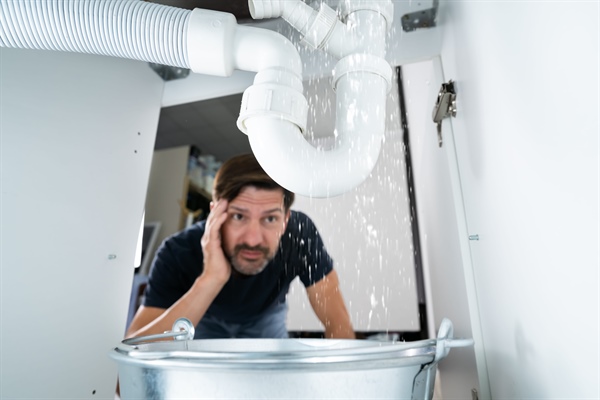
Emergency plumbing problems rarely happen without warning. Small leaks, slow drains, fluctuating water pressure, and aging plumbing components often create conditions that eventually lead to burst pipes, sewer backups, or water damage. Homeowners who take a proactive approach to maintenance can significantly reduce the likelihood of unexpected plumbing emergencies while also extending the lifespan of their fixtures, piping systems, and appliances. Regular inspections, preventive drain care, and timely repairs all play an important role in protecting a home's plumbing infrastructure.
Duell Plumbing & Heating has worked with homeowners who discovered major plumbing issues after overlooking smaller warning signs for months or even years. Many emergency situations develop gradually, especially in older homes where corrosion, buildup, and worn plumbing components can quietly worsen behind walls or beneath floors. Understanding how preventive maintenance works can help homeowners avoid sudden disruptions, expensive repairs, and unnecessary water damage. The following sections explore routine maintenance, inspection schedules, warning signs, drain cleaning practices, and plumbing upgrades that can help reduce the risk of plumbing emergencies. Homeowners dealing with recurring issues may also benefit from learning more about emergency plumbing situations and how preventive care helps reduce those risks.
Routine Plumbing Maintenance That Helps Prevent Emergency Plumbing Problems
Routine plumbing maintenance focuses on identifying small issues before they develop into major failures. Many plumbing emergencies begin with minor warning signs such as dripping fixtures, inconsistent water pressure, hidden leaks, or slow-moving drains. Over time, even a small leak can weaken surrounding materials, contribute to mold growth, or increase pressure within the plumbing system. Homeowners who routinely inspect visible pipes, shut-off valves, water heaters, and fixtures often catch these problems early enough to avoid significant repairs.
Water heater maintenance is one of the most overlooked aspects of preventive plumbing care. Sediment buildup inside a water heater tank can reduce efficiency, increase operating temperatures, and place unnecessary strain on the system. Flushing the tank periodically helps remove mineral accumulation that may contribute to premature failure or leaks. Checking the pressure relief valve and monitoring for signs of rust or corrosion can also help identify developing problems before the unit fails unexpectedly.
Pipe insulation and seasonal maintenance are also important preventive measures, especially in regions with freezing temperatures. Frozen pipes can expand and burst, creating extensive water damage inside walls and ceilings. Homeowners should inspect exposed pipes in crawl spaces, basements, garages, and exterior walls to ensure they are properly insulated. Maintaining consistent indoor temperatures and sealing air leaks around plumbing penetrations can further reduce freezing risks. Learning about common causes of emergency plumbing situations can help homeowners better understand why preventive maintenance matters.
How Often Should Residential Plumbing Systems Be Professionally Inspected?
Most residential plumbing systems should be professionally inspected at least once every one to two years, although older homes or properties with recurring plumbing issues may benefit from more frequent evaluations. A professional inspection allows plumbers to identify hidden leaks, pipe corrosion, water pressure abnormalities, drainage concerns, and aging fixtures before they create larger problems. Homes with galvanized piping, older sewer lines, or heavy water usage often require closer monitoring due to the increased likelihood of deterioration.
Inspections are particularly important after renovations, severe weather events, or noticeable changes in plumbing performance. For example, sudden increases in water bills, inconsistent water temperatures, or reduced water pressure can indicate hidden leaks or developing pipe restrictions. Professional inspections often include evaluations of shut-off valves, sump pumps, water heaters, exposed piping, drains, and sewer line conditions to identify potential vulnerabilities throughout the system.
Preventive inspections also help homeowners prioritize repairs before they become urgent. Small issues such as deteriorating pipe joints or slow sewer line drainage can frequently be corrected with minimal disruption when caught early. Homeowners researching long-term preventive maintenance often explore professional plumbing services to better understand how routine evaluations help reduce the risk of unexpected plumbing failures and costly water damage.
Early Warning Signs That May Indicate a Plumbing Emergency Is Developing
Many plumbing emergencies provide warning signs before a complete system failure occurs. One of the most common indicators is unexplained changes in water pressure. Low water pressure may signal hidden leaks, mineral buildup, pipe corrosion, or developing blockages within the plumbing system. Sudden pressure fluctuations can also indicate failing pressure regulators or hidden pipe damage that requires immediate evaluation.
Slow drains throughout multiple fixtures often point to larger sewer line problems rather than isolated clogs. Gurgling sounds from drains, toilets that bubble during use, sewage odors, or water backing up into tubs and sinks may indicate developing sewer obstructions or ventilation problems within the drain system. Ignoring these symptoms can allow a partial blockage to worsen until wastewater can no longer flow properly through the system.
Visible staining, warped flooring, peeling paint, damp drywall, or unexplained mold growth may indicate hidden leaks behind walls or beneath floors. Even small leaks can create extensive structural damage over time when moisture remains trapped in building materials. Homeowners should also monitor their water bills for unusual increases, as higher-than-normal usage may reveal hidden plumbing leaks that are not immediately visible. Recognizing these early warning signs allows repairs to be completed before significant water damage or pipe failure occurs.
Why Proper Drain Cleaning Helps Prevent Serious Plumbing Problems
Proper drain cleaning helps maintain normal water flow while reducing the risk of severe blockages, sewer backups, and pipe damage. Many household drains accumulate grease, soap residue, hair, food particles, mineral deposits, and debris over time. As buildup narrows the inside diameter of pipes, water flow slows and pressure within the drainage system increases. Left untreated, these restrictions can eventually create complete blockages that require emergency service.
Chemical drain cleaners may appear to provide a quick solution, but repeated use can damage certain types of piping and contribute to long-term deterioration. Harsh chemicals may corrode older pipes, weaken joints, and create additional plumbing complications over time. Mechanical cleaning methods and professional drain cleaning equipment are often safer and more effective for removing buildup without damaging the plumbing system itself.
Preventive drain maintenance also plays an important role in sewer line protection. Tree root intrusion, grease accumulation, and debris buildup inside main sewer lines can create progressive restrictions that worsen over time. Routine drain cleaning and sewer inspections help identify developing problems before wastewater backups occur inside the home. Homeowners who consistently maintain their drains often reduce the likelihood of unexpected clogs, foul odors, and water damage associated with blocked plumbing systems.
Best Plumbing Upgrades That Help Avoid Emergency Plumbing Repairs
Modern plumbing upgrades can significantly reduce the likelihood of emergency repairs while improving efficiency and system reliability. Replacing aging galvanized or corroded piping with updated materials such as copper or PEX can help minimize leaks, improve water flow, and reduce the risk of pipe failure. Older plumbing systems often become more vulnerable to corrosion, mineral buildup, and pressure-related damage as they age, especially in homes with outdated infrastructure.
Installing leak detection devices and automatic shut-off valves can also help homeowners prevent extensive water damage. Smart leak detection systems monitor water flow patterns and can automatically shut off the water supply when abnormal usage or sudden leaks are detected. These systems are particularly valuable for homeowners who travel frequently or want additional protection against hidden leaks that could otherwise go unnoticed for extended periods.
Upgrading water heaters, sump pumps, pressure regulators, and drain systems can further improve overall plumbing reliability. Modern high-efficiency water heaters often include improved safety features and corrosion-resistant components that reduce failure risks. In Schenectady, homeowners frequently explore plumbing system upgrades as part of long-term property maintenance planning. Those seeking additional information about professional evaluations or system improvements can learn more through Duell Plumbing & Heating and its residential plumbing resources.
Protect Your Home From Unexpected Plumbing Emergencies
At Duell Plumbing & Heating, we understand how stressful plumbing emergencies can become for homeowners. Our team works with homeowners every day to identify hidden plumbing issues, improve aging systems, and help reduce the risk of sudden water damage or sewer problems. Whether you need routine inspections, drain cleaning, pipe upgrades, water heater maintenance, or emergency repairs, we provide experienced plumbing solutions designed to keep your home's plumbing system operating safely and efficiently.
We proudly serve homeowners throughout the region with professional plumbing services backed by experienced licensed plumbers and a commitment to long-term reliability. From identifying early warning signs to upgrading outdated plumbing systems, we help homeowners make informed decisions that protect their property and plumbing infrastructure. If you are concerned about recurring plumbing issues or want to reduce the risk of future emergencies, our team can help evaluate your system and recommend practical solutions.
Contact Duell Plumbing & Heating at 518-384-1567 or visit us at 165 Freemans Bridge Rd, Schenectady, NY 12302 to learn more about our residential plumbing services. Homeowners can also conveniently schedule service online to request an inspection, maintenance appointment, or plumbing repair consultation.