How to Prevent Frozen Pipes During Winter: Essential Tips for Homeowners
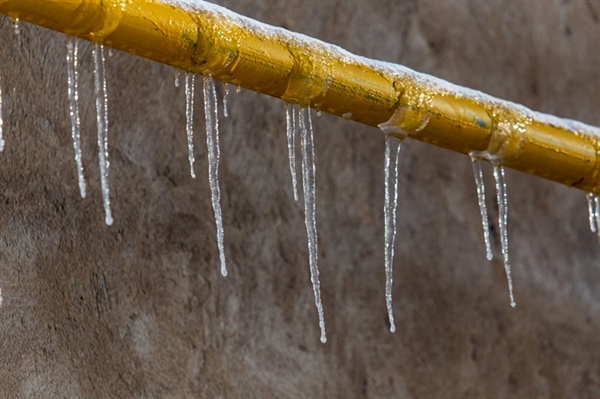
Winter’s freezing temperatures can wreak havoc on your plumbing, leading to frozen pipes, costly repairs, and major water damage.
But with the right precautions, you can keep your home safe and avoid the headache of burst pipes.
The Duell Plumbing & Heating pros have expert tips to help you protect your plumbing this winter.
Keep reading to learn essential strategies for preventing frozen pipes before disaster strikes!
What Insulation Materials are Most Effective for Protecting Pipes in Cold Climates?
Insulating pipes is one of the most effective ways to prevent freezing in cold climates. Common materials used for pipe insulation include foam, fiberglass wraps, and heat tape. Foam pipe insulation is popular due to its ease of installation and cost-effectiveness.
It provides a protective barrier that helps retain heat within the pipes, reducing the likelihood of freezing. While more effective for extreme cold, fiberglass insulation requires careful installation to avoid condensation issues.
Heat tape or cables are another effective solution. They provide direct warmth to pipes in particularly vulnerable areas such as basements, crawl spaces, and exterior walls.
Choosing the right insulation material depends on your home's specific conditions. Pipes located in unheated areas, such as garages or attics, benefit from thicker insulation materials with higher R-values, which measure thermal resistance.
Homeowners should also consider using a combination of insulation materials to enhance protection in extremely cold climates. Proper installation techniques, such as sealing joints and covering all exposed pipe surfaces, further improve insulation performance and help prevent freezing.
For situations where frozen pipes pose an immediate threat, seeking professional assistance from emergency plumbing services can provide quick solutions to prevent further damage.
How Does Maintaining Indoor Temperatures Influence Pipe-Freezing Risks?
Maintaining a consistent indoor temperature prevents frozen pipes, especially during severe winter weather. When indoor temperatures drop below 55°F, the risk of pipes freezing increases significantly.
Ensuring a minimum temperature throughout the home, particularly in unoccupied rooms and areas with exposed plumbing, helps to keep water flowing and prevent ice blockages.
Homeowners should set thermostats to a consistent temperature both day and night to avoid sudden drops that can cause pipes to freeze.
In addition to heating, proper air circulation plays a vital role in maintaining indoor temperatures and protecting pipes. Keeping interior doors open allows warm air to circulate more freely, especially in areas like kitchen and bathroom cabinets where pipes are commonly located.
Using space heaters in colder areas of the home and sealing drafts around doors and windows can further reduce the risk of freezing.
For homeowners seeking reliable heating solutions and plumbing maintenance, Duell Plumbing & Heating offers professional services to help maintain a safe indoor environment and prevent costly pipe damage.
What Steps Should Be Taken if a Homeowner Suspects a Pipe is Beginning to Freeze?
If a homeowner suspects a pipe is beginning to freeze, immediate action is required to prevent it from bursting. The first step is to locate the affected pipe by checking for visible frost, reduced water flow, or unusual noises such as banging or gurgling.
Once identified, the homeowner should gradually apply heat to the pipe using a hair dryer, heating pad, or warm towels. It is important to avoid using open flames or excessive heat, as this can cause the pipe to crack or burst.
Keeping faucets open during the thawing process allows water to flow, which helps to melt any ice blockages within the pipe. Increasing the temperature in the surrounding area by opening cabinet doors and using space heaters can also further facilitate thawing.
If the pipe remains frozen despite these efforts, professional plumbing assistance should be sought to prevent further complications.
Prompt action is crucial when dealing with frozen pipes to avoid costly repairs and water damage. If you experience persistent issues, professional plumbers can provide expert solutions to prevent future occurrences.
How Can Outdoor Faucets and Hoses Be Winterized to Prevent Freezing?
Winterizing outdoor faucets and hoses is essential to prevent freezing and potential pipe damage. The process begins by disconnecting all garden hoses and draining any remaining water. Water left in hoses can freeze and expand, damaging the hose and the connected faucet.
Once hoses are removed, outdoor faucets should be shut off from the inside using a shutoff valve, if available. Any residual water should be drained by opening the faucet.
Installing insulated faucet covers provides additional protection against freezing temperatures. These covers act as a barrier against cold air and help retain heat within the faucet assembly.
For added protection, homeowners can also wrap exposed pipes leading to outdoor faucets with foam insulation or heat tape to minimize the risk of freezing during extreme cold spells.
Routine winterization of outdoor plumbing fixtures can help extend their lifespan and prevent costly repairs. Regular maintenance and inspections before winter sets in can ensure outdoor plumbing remains in good condition throughout the season.
What are the Long-term Effects of Repeated Pipe Frezing and Thawing Cycles?
Repeated freezing and thawing cycles can cause significant damage to plumbing systems over time. When water freezes inside a pipe, it expands and increases pressure, which can weaken the pipe walls. Over time, this repeated stress can lead to cracks, leaks, and eventual pipe failure.
Small leaks may go unnoticed initially, but they can result in hidden water damage, mold growth, and costly repairs.
Frozen pipes can cause structural damage, reduced water flow, and pressure issues. Over time, ice accumulation can create blockages, restrict water movement, and put additional strain on the entire plumbing system.
Homeowners may notice inconsistent water pressure or unusual noises coming from their pipes, indicating underlying damage from previous freeze-thaw cycles.
Keep Your Pipes Safe with Duell Plumbing & Heating
Implementing preventative measures such as insulation, proper heating, and routine maintenance is essential to preventing long-term damage.
Professional plumbing assessments can help identify and address potential vulnerabilities before they escalate if signs of persistent issues arise.
Contact our team to schedule an inspection and ensure your plumbing is protected year-round.