What Causes Sewer Line Damage in Older Homes?
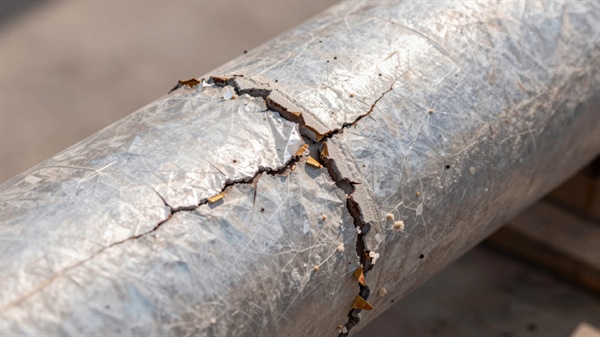
Sewer line damage often develops gradually, but the warning signs can appear suddenly. Slow drains, recurring backups, foul odors, and patches of overly saturated ground are all symptoms that something deeper may be happening below the surface. Understanding what causes sewer line damage helps homeowners recognize potential problems before they become disruptive and expensive. In Schenectady, changing weather conditions, aging infrastructure, shifting soil, and invasive tree roots all contribute to underground pipe deterioration. Duell Plumbing & Heating frequently works with homeowners dealing with sewer-related concerns that started small but worsened over time because the underlying issue remained hidden underground.
Many sewer line problems are not caused by a single event. Instead, they develop through years of wear, pressure, corrosion, and buildup inside the piping system. Some homes are more vulnerable than others, depending on the age of the property, the material used in the original sewer installation, and the environmental conditions surrounding the home. Questions about tree roots, freezing temperatures, grease buildup, pipe materials, and aging sewer systems are all important when evaluating long-term plumbing performance. Homeowners researching sewer line repair and excavation often discover that understanding the causes behind sewer damage is the first step toward preventing larger plumbing failures.
Can Tree Roots Break Sewer Pipes and Cause Underground Damage?
Tree roots are one of the most common causes of sewer line damage in residential properties. Roots naturally seek out moisture and nutrient-rich environments, making underground sewer pipes an attractive target. Even very small openings in aging sewer lines can release vapor and moisture into the surrounding soil, which attracts nearby root systems. Once roots locate a vulnerable section of pipe, they continue growing toward the moisture source and slowly force their way into joints, cracks, or weakened seams.
Older sewer systems made from clay, Orangeburg, or cast iron are especially vulnerable to root intrusion because the joints and pipe walls weaken over time. As roots expand inside the pipe, they begin trapping toilet paper, grease, sediment, and debris flowing through the line. This gradually reduces drainage capacity and increases pressure inside the system. Over time, the expanding roots can displace sections of pipe entirely or collapse weakened portions of the sewer line. In Schenectady, NY, mature landscaping around older homes often creates conditions where aggressive root systems become a long-term plumbing concern.
Tree root intrusion does not always create immediate symptoms. Some homeowners first notice occasional gurgling drains or slow drainage before backups begin occurring more frequently. In more advanced cases, roots can separate pipe joints underground, allowing wastewater to leak into the surrounding soil. Many homeowners researching sewer line repair and excavation learn that root intrusion can eventually compromise the structural integrity of the entire sewer system if left unresolved for too long.
How Does Cold Weather Affect Sewer Lines During Winter?
Cold weather creates several conditions that increase stress on underground sewer systems. As temperatures drop, the ground surrounding sewer lines contracts and shifts. This movement places pressure on aging pipes, particularly where joints are already weakened by corrosion or previous settling. Freeze-thaw cycles are especially damaging because expanding frozen soil can place uneven force against sections of buried piping. Over time, this repeated movement contributes to cracking, joint separation, and pipe misalignment.
Winter conditions also affect sewer performance through frozen blockages and restricted flow. Sewer lines that are shallow, poorly insulated, or partially clogged may experience freezing during extended cold periods. Grease accumulation inside pipes becomes more problematic during winter because fats solidify more quickly at lower temperatures. Once flow slows inside the pipe, wastewater may begin accumulating behind the blockage and increase the risk of indoor backups. Many homeowners seeking professional plumbing services during winter months discover that seasonal temperature changes often expose underlying sewer weaknesses that developed gradually over time.
Cold weather can also accelerate deterioration in older pipe materials. Cast iron sewer lines become more brittle as corrosion progresses, while older clay pipes may crack when exposed to repeated ground movement during freeze-thaw cycles. Sewer venting systems can also become affected by ice accumulation, which may interfere with drainage performance throughout the home. Winter-related sewer issues often develop slowly before becoming noticeable during periods of heavy water usage or severe cold conditions.
Do Older Homes Have More Sewer Problems Than Newer Homes?
Older homes often experience a higher rate of sewer line problems because many original underground piping materials deteriorate significantly over time. Homes built several decades ago frequently used clay, cast iron, or Orangeburg piping systems that were considered standard during earlier construction periods. While these materials initially performed well, decades of soil movement, corrosion, moisture exposure, and root intrusion gradually weakened the system. As pipes age, joints become more vulnerable to separation, and interior surfaces begin accumulating scale and debris that restricts flow.
Cast iron sewer lines commonly develop corrosion along the interior walls, creating rough surfaces that trap waste and slow drainage. Clay pipes, while resistant to some forms of corrosion, are highly susceptible to cracking and root intrusion at the joints. Orangeburg piping, which was manufactured using layers of compressed wood pulp and tar, often deforms or collapses entirely as the material softens with age. Many older homes continue operating with sewer systems that are well beyond their intended service life, increasing the likelihood of recurring plumbing issues.
In many older neighborhoods, sewer problems are also influenced by outdated installation methods and decades of shifting soil conditions. Changes in landscaping, nearby construction activity, and long-term moisture exposure all affect underground pipe alignment. Some older homes may also have sewer systems that were repaired multiple times over the years, creating inconsistent pipe transitions and weak connection points underground. Advanced sewer camera inspections are often necessary to identify hidden deterioration before a major sewer failure occurs.
Can Grease and Flushable Wipes Clog Sewer Systems?
Grease buildup and so-called flushable wipes are major contributors to residential sewer blockages. Grease may enter the drain as a liquid, but it quickly cools and solidifies once it travels deeper into the plumbing system. Over time, grease coats the interior walls of sewer pipes and creates sticky surfaces that trap food particles, paper products, and other debris. As the buildup thickens, wastewater flow slows, and the risk of sewer backups increases significantly.
Flushable wipes create additional problems because most do not break down like standard toilet paper. Even products marketed as sewer-safe often remain structurally intact as they travel through the system. When wipes encounter grease buildup, root intrusion, or minor pipe offsets, they begin snagging inside the sewer line and forming larger obstructions. These combined blockages can eventually restrict the entire diameter of the pipe and create severe drainage issues throughout the home.
Grease and wipes also contribute to long-term sewer deterioration because standing wastewater increases internal pipe corrosion and pressure at weakened joints. In municipal sewer systems, grease accumulation contributes to large-scale blockages sometimes referred to as fatbergs, which form when fats combine with wipes and debris inside the sewer infrastructure. Preventing these issues requires proper disposal habits and regular drain maintenance to reduce buildup before significant restrictions develop inside the sewer line.
What Sewer Pipe Materials Are Most Prone to Failure?
Several older sewer pipe materials are more vulnerable to cracking, corrosion, collapse, or root intrusion than modern piping systems. Clay sewer pipes are highly susceptible to root infiltration because they rely on multiple joint connections along the line. While clay itself resists chemical corrosion, the joints gradually weaken over time and allow roots to penetrate the system. Once roots enter the line, the pipe becomes increasingly vulnerable to blockage and structural damage.
Cast iron sewer lines frequently experience internal corrosion as they age. Over time, rust buildup narrows the interior diameter of the pipe and weakens the pipe wall itself. Corroded cast iron may eventually flake apart or develop leaks along the bottom portion of the pipe where moisture and debris accumulate. Orangeburg piping is considered one of the least durable sewer materials because it compresses and deteriorates much faster than modern alternatives. Many homes built between the 1940s and 1970s continue operating with aging Orangeburg lines that are now approaching complete structural failure.
Modern PVC and ABS sewer lines are generally more resistant to corrosion and root intrusion, but installation quality still plays an important role in long-term performance. Improper slope, unstable soil conditions, or poor connection points can still create drainage issues even in newer systems. Homeowners who work with Duell Plumbing & Heating often learn that identifying the existing sewer pipe material is one of the most important steps when evaluating long-term plumbing reliability and determining whether replacement or repair may eventually become necessary.
Professional Sewer Line Solutions From Duell Plumbing & Heating
At Duell Plumbing & Heating, we understand how frustrating sewer line problems can become for homeowners dealing with recurring backups, slow drains, or underground pipe damage. Our team works with homeowners throughout Schenectady to identify the underlying causes of sewer line deterioration, including root intrusion, aging piping materials, cold weather damage, grease accumulation, and long-term structural wear. We use detailed inspections and proven diagnostic methods to evaluate sewer systems thoroughly and recommend practical solutions based on the condition of the line.
Whether you are dealing with recurring blockages, sewer odors, drainage issues, or concerns about older underground piping, our licensed plumbing professionals provide dependable support backed by years of field experience. We handle sewer inspections, drain evaluations, plumbing repairs, and underground sewer solutions designed to improve long-term reliability and drainage performance. Our team takes the time to explain the condition of the sewer system clearly so homeowners understand the factors contributing to the problem.
Duell Plumbing & Heating is located at 165 Freemans Bridge Rd, Schenectady, NY 12302, and homeowners can reach our team at 518-384-1567 to discuss sewer concerns or schedule an inspection. If you are noticing warning signs of sewer damage or want a professional evaluation of an aging sewer line, our team is available to help. Homeowners can also schedule service online to request professional plumbing assistance.