Why Is Proper Ventilation Critical for Both Plumbing and Heating Systems?
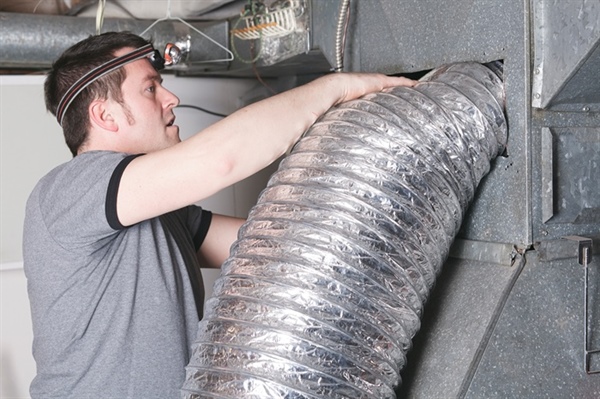
Proper ventilation plays a central role in how safely and efficiently plumbing and heating systems operate. Heating equipment depends on steady airflow to support combustion, move exhaust outdoors, and maintain stable internal temperatures. Plumbing systems require venting to balance pressure, prevent sewer gases from entering living areas, and keep drainage flowing. When ventilation fails in either system, mechanical stress increases, indoor safety declines, and the risk of contamination or backdrafting rises. Understanding how these systems influence one another shows why ventilation design is a core part of home safety and performance.
Modern homes often have tighter building envelopes than older structures. This makes ventilation failures more noticeable and more severe. Heating appliances may struggle to pull in oxygen, while plumbing vents that become obstructed can lock pressure inside the drainage system. Both systems move air in predictable ways, and when one becomes restricted, the other may exhibit secondary symptoms. Duell Plumbing & Heating sees these interactions frequently in Schenectady homes, particularly in tightly sealed buildings with high-efficiency equipment. The sections below examine how ventilation supports system reliability, safety, and indoor comfort.
How poor ventilation leads to gas buildup or carbon monoxide risks
Combustion appliances such as furnaces, boilers, and water heaters need a controlled supply of air to burn fuel correctly. When ventilation becomes restricted, these appliances do not receive the oxygen required for complete combustion. This increases carbon monoxide production and makes exhaust gases more concentrated. If flue pipes are blocked or damaged, these gases may remain inside the home rather than moving outdoors.
Negative air pressure near the appliance can also reverse the exhaust path, a condition known as backdrafting. When this occurs, carbon monoxide and other combustion byproducts spill into living areas. Backdrafting tends to appear when a home is tightly sealed or when multiple appliances compete for limited airflow. Even minor exposure creates health concerns, and prolonged exposure can be dangerous.
Restricted ventilation also increases heat around the burner chamber, raising operational stress. Components may overheat, safety controls may shut the system down, and the burner flame may become unstable. These symptoms often appear early and indicate a developing airflow problem that requires immediate correction to prevent unsafe operating conditions.
Ventilation requirements for furnaces and water heaters
Ventilation needs vary depending on equipment type, fuel, and installation method. Natural-draft systems rely on vertical vent pipes that use buoyancy to pull exhaust upward. These systems require a properly sized flue, an uninterrupted upward slope, and stable pressure in the surrounding space. Any change in pipe diameter or improper slope can weaken the draft and trap exhaust inside the appliance.
Power-vent and direct-vent systems manage airflow differently. Power-vent models use fans to move exhaust, while direct-vent systems use sealed combustion and dedicated intake and exhaust pathways. Both require correct pipe length, proper termination points, and materials rated for the temperatures produced. If the piping exceeds design limits, airflow resistance increases and performance declines.
Water heaters follow similar standards. Gas-fired units must maintain a continuous upward slope in vent connectors, and condensing units produce moisture that must drain correctly to prevent corrosion. Local code requirements, as well as manufacturer specifications, set strict limits on vent sizing, slope, and configuration to maintain safe and efficient operation.
How plumbing vents affect HVAC air pressure or airflow
Plumbing vents control pressure inside the drainage system, but they also influence airflow patterns inside the home. When a plumbing vent becomes blocked, negative pressure may form inside drain lines. This can pull air from nearby rooms, altering airflow near HVAC return ducts and affecting air balance throughout the system.
Shared wall cavities or mechanical chases can worsen this interaction. If a plumbing vent allows unintended air movement through a wall, the HVAC system may draw that air into its return side. This can bring moisture, sewer gases, or airborne contaminants into the HVAC system. Over time, this affects coil cleanliness, duct pressure, and system efficiency.
In basements, poor plumbing venting may also reduce available oxygen near fuel-burning appliances. If negative pressure becomes strong enough, combustion air may be pulled away from the appliance. This increases the risk of burner instability, flame rollout, or backdrafting. Balanced ventilation in both systems prevents these problems.
How homeowners can identify poor system ventilation
Several warning signs indicate ventilation issues. Persistent sewer odors usually point toward a blocked plumbing vent. Musty or burnt smells near heating equipment may signal poor combustion or overheating caused by airflow restriction. These symptoms often worsen during long heating cycles.
HVAC performance problems also appear when ventilation fails. Indoor temperatures may fluctuate, exhaust pipes may show discoloration, or condensation may form near mechanical equipment. Any sign of exhaust staining or unexplained moisture should be evaluated by a professional.
Drainage symptoms, including gurgling fixtures, slow drains, or toilet bubbling, also suggest vent obstruction. When these symptoms appear alongside HVAC issues, it often means the two systems are influencing one another. Early diagnosis prevents more serious safety hazards.
What upgrades improve ventilation safety and energy efficiency
Several modern upgrades significantly improve safety and performance. Direct-vent furnaces and boilers are among the most effective. These appliances use sealed combustion, meaning they draw air from outdoors rather than indoors. This eliminates many backdraft risks and increases overall fuel efficiency.
High-efficiency water heaters with controlled ventilation systems provide similar benefits. They use powered exhaust and temperature-rated piping that improves draft stability and reduces heat loss. For older homes with natural-draft chimneys, installing a properly sized liner improves vent performance and prevents condensation damage.
Plumbing ventilation can be improved by correcting vent height, replacing corroded pipes, or adding branch vents where needed. In some cases, approved air admittance valves can support drainage where traditional venting is impractical. These upgrades help stabilize pressure inside the plumbing system and reduce odor concerns.
Professional support for improving ventilation performance
Duell Plumbing & Heating works with both plumbing and heating systems, giving homeowners a clear understanding of how ventilation affects safety and performance. Ventilation issues often show up long before equipment fails, and identifying those conditions early helps protect the home from gas buildup, pressure imbalance, and system strain.
Technicians assess venting materials, evaluate airflow paths, inspect exhaust configurations, and identify pressure conflicts between plumbing and heating systems. This detailed approach provides homeowners with safer operation, improved efficiency, and fewer moisture and odor concerns.
Duell Plumbing & Heating is located at 46 Maple Ave Unit 1, Schenectady, NY 12302, and can be reached at 518-384-1567. Homeowners can schedule service or request an assessment through the contact us page to address ventilation concerns that affect comfort, safety, and system longevity.