Signs Your Main Water Line Needs Repair or Replacement
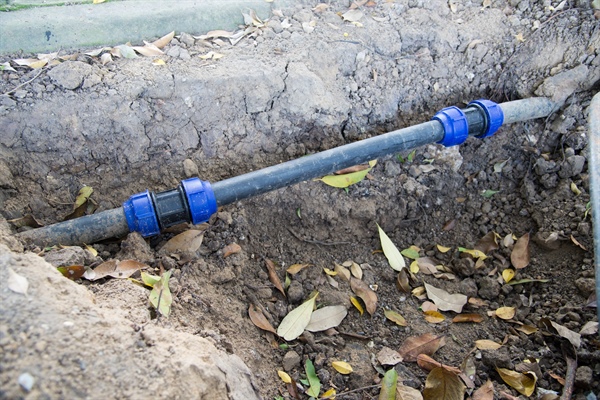
Main water lines are one of the most important parts of a home's plumbing system, yet many homeowners do not notice a problem until serious damage has already developed. Because the main water line supplies clean water to every faucet, appliance, shower, and plumbing fixture in the home, even a small issue underground can quickly affect daily routines. Changes in water pressure, unusual discoloration, unexplained wet spots in the yard, or rising water bills often point to problems developing beneath the surface. Understanding the warning signs early can help homeowners avoid extensive property damage and costly emergency repairs.
Many water line problems begin gradually. Corrosion inside aging pipes, shifting soil, freezing temperatures, and root intrusion can weaken underground plumbing over time before a leak becomes obvious. Homeowners in Schenectady, NY often deal with seasonal temperature fluctuations that place additional stress on buried water lines. Duell Plumbing & Heating regularly works with homeowners experiencing these types of plumbing concerns and understands how environmental conditions, pipe materials, and water pressure all contribute to long-term pipe performance. Learning how to identify these issues early helps homeowners make informed decisions about maintenance, repairs, and replacement options.
The sections below explain some of the most common warning signs associated with failing water lines, including pressure changes, water discoloration, pipe lifespan, and the causes of underground pipe damage. Understanding these warning signs can help homeowners determine when professional water line repair and replacement may become necessary before a small issue develops into a major plumbing emergency.
Common Warning Signs of a Damaged Main Water Line
Damaged main water lines often produce several noticeable symptoms before complete failure occurs. One of the earliest signs is unexplained moisture around the property. Homeowners may notice wet patches in the yard, unusually green grass over buried pipe locations, soft soil, or standing water that remains even during dry weather. Because underground leaks continuously saturate surrounding soil, these areas typically become visible long before the leak reaches the surface inside the home.
Changes inside the home also commonly indicate water line problems. Fluctuating water pressure, banging pipes, unusual sounds within plumbing fixtures, and intermittent water flow may all point toward deterioration in the main supply line. Some homeowners experience sudden spikes in water bills despite no increase in household water usage. When underground leaks develop, water escapes continuously, causing the plumbing system to work harder to maintain pressure throughout the home.
Pipe material and age play major roles in water line performance. Older galvanized steel pipes are especially vulnerable to internal corrosion, while copper lines may weaken from soil chemistry or prolonged ground movement. Tree root intrusion is another common issue affecting buried water lines. Roots naturally seek moisture and can gradually infiltrate small cracks or joints underground. In many situations, identifying these warning signs early allows homeowners to address problems before extensive excavation or emergency water line repair and replacement becomes necessary.
Why Low Water Pressure Can Signal Main Water Line Problems
Low water pressure is one of the most common indicators of a developing main water line issue. Because the main line supplies water to the entire home, any restriction, crack, or leak along the pipe can reduce the volume of water reaching fixtures. Homeowners often first notice weaker shower pressure, slower faucet flow, or appliances taking longer to fill with water. When multiple fixtures experience reduced pressure simultaneously, the problem frequently originates in the main supply line rather than an isolated fixture.
Leaks underground reduce available system pressure because water escapes before reaching the home's plumbing fixtures. Even relatively small underground leaks can significantly affect pressure levels over time. Corrosion inside older pipes can also narrow the internal diameter of the line, restricting water flow throughout the plumbing system. Mineral buildup, sediment accumulation, and pipe scaling may gradually reduce capacity until homeowners begin experiencing noticeable pressure loss during normal use.
Pressure fluctuations can also occur when cracks expand due to shifting soil or temperature changes. During colder months, freeze-thaw cycles may temporarily worsen small fractures underground. In some situations, pressure loss may appear intermittently as the damaged section expands under pressure and contracts when water usage decreases. Professional plumbing services often use pressure testing, leak detection equipment, and camera inspections to determine whether the issue originates from the main water line or another part of the home's plumbing system.
Can Discolored Water Mean Your Main Water Line Is Failing?
Discolored water frequently indicates deterioration somewhere within the plumbing system, including the main water line. Brown, yellow, or rust-colored water often develops when corrosion forms inside aging pipes. As pipe interiors deteriorate, rust particles and sediment break loose and travel through the water supply. This discoloration may appear temporarily after periods of inactivity or become more consistent as corrosion worsens.
Water discoloration does not always originate from interior household plumbing. Underground water lines exposed to corrosion, cracking, or soil intrusion may allow sediment and contaminants to enter the water supply. Disturbances within aging municipal systems can also loosen debris that travels through compromised residential lines. When discoloration affects both hot and cold water fixtures throughout the home, the main water line often becomes a primary area of concern.
In addition to rust-colored water, homeowners may notice cloudy water, metallic tastes, or visible sediment accumulation around faucets and fixtures. Pipe deterioration sometimes creates rough internal surfaces that trap minerals and debris, contributing to recurring water quality issues. Although temporary discoloration may occasionally occur after municipal maintenance, persistent changes in water appearance should always be professionally evaluated to determine whether underground pipe corrosion or structural damage is developing.
How Long Residential Main Water Lines Typically Last
The lifespan of a residential main water line depends heavily on pipe material, installation quality, soil conditions, and environmental exposure. Galvanized steel pipes often last between 40 and 70 years before internal corrosion significantly affects water quality and flow capacity. Copper water lines may remain functional for 50 years or longer under stable soil conditions, although acidic soil and shifting ground can shorten their lifespan considerably.
Modern materials such as PEX and high-density polyethylene generally offer improved resistance to corrosion and mineral buildup compared to older piping materials. However, no underground water line lasts indefinitely. Seasonal temperature changes, freezing conditions, root intrusion, soil settlement, and vibration from nearby construction all place stress on buried plumbing infrastructure over time. Homes in Schenectady frequently experience freeze-thaw cycles that contribute to long-term underground pipe movement and stress.
Many homeowners do not realize their water line is aging until symptoms begin appearing throughout the home. Repeated leaks, declining pressure, and recurring repairs often indicate that the pipe system is approaching the end of its useful lifespan. Regular inspections and early detection help homeowners evaluate whether localized repairs remain practical or whether full replacement may provide better long-term reliability and water quality protection.
What Causes Underground Water Lines to Crack or Burst?
Underground water lines experience constant environmental stress throughout their lifespan. One of the leading causes of pipe cracking and bursting is soil movement. As soil expands, contracts, settles, or shifts due to moisture changes, buried pipes experience pressure from multiple directions. Over time, repeated movement weakens joints and creates stress fractures that eventually develop into leaks or complete breaks.
Freezing temperatures are another major contributor to underground pipe failures. Water expands as it freezes, creating tremendous internal pressure inside plumbing lines. If buried pipes are installed too shallow or become exposed to prolonged freezing conditions, sections of the line may crack or burst during the winter months. Even minor freeze damage can weaken the structural integrity of the pipe and lead to future leaks after temperatures rise again.
Tree root intrusion, corrosion, and excessive water pressure also commonly contribute to underground pipe failure. Roots naturally grow toward moisture sources and can gradually penetrate weakened joints or small cracks underground. Corrosive soil conditions may accelerate metal pipe deterioration from the outside inward, while elevated water pressure increases long-term stress along vulnerable sections of pipe. Duell Plumbing & Heating understands how these environmental conditions affect underground plumbing systems in Schenectady homes and how proper inspections can help identify developing water line concerns before catastrophic failure occurs. Homeowners seeking additional guidance can learn more through Duell Plumbing & Heating.
At Duell Plumbing & Heating, we help homeowners identify and resolve water line problems before they lead to severe property damage or complete plumbing failure. Our team understands how underground pipe conditions, aging materials, low water pressure, corrosion, and freezing temperatures affect residential plumbing systems throughout Schenectady, NY. Whether you are experiencing discolored water, unexplained moisture in the yard, or recurring pressure problems, we provide detailed inspections and practical solutions tailored to your home's plumbing system.
We work with homeowners to evaluate damaged pipes, identify hidden leaks, and determine whether repair or replacement offers the best long-term solution. Our licensed professionals use advanced diagnostic methods to locate underground issues while minimizing unnecessary disruption to your property. We also help homeowners better understand how environmental conditions, pipe age, and water quality influence plumbing system longevity.
Duell Plumbing & Heating is located at 165 Freemans Bridge Rd, Schenectady, NY 12302, and can be reached at 518-384-1567. If you are noticing signs of water line trouble or want a professional evaluation of your plumbing system, contact our team today or schedule service to discuss your concerns with an experienced plumbing professional.